When your business relies heavily on technology, an IT support agreement is not just a piece of paper; it is a vital safety net. Many businesses sign agreements without fully understanding the provider and client roles, the primary service goals, or whether the contract covers ongoing support or specific project work. Without a clear contract, you risk productivity loss, unexpected charges, and damaging downtime. This guide explains exactly what you should look for to ensure your business remains protected and productive.
The Short Answer
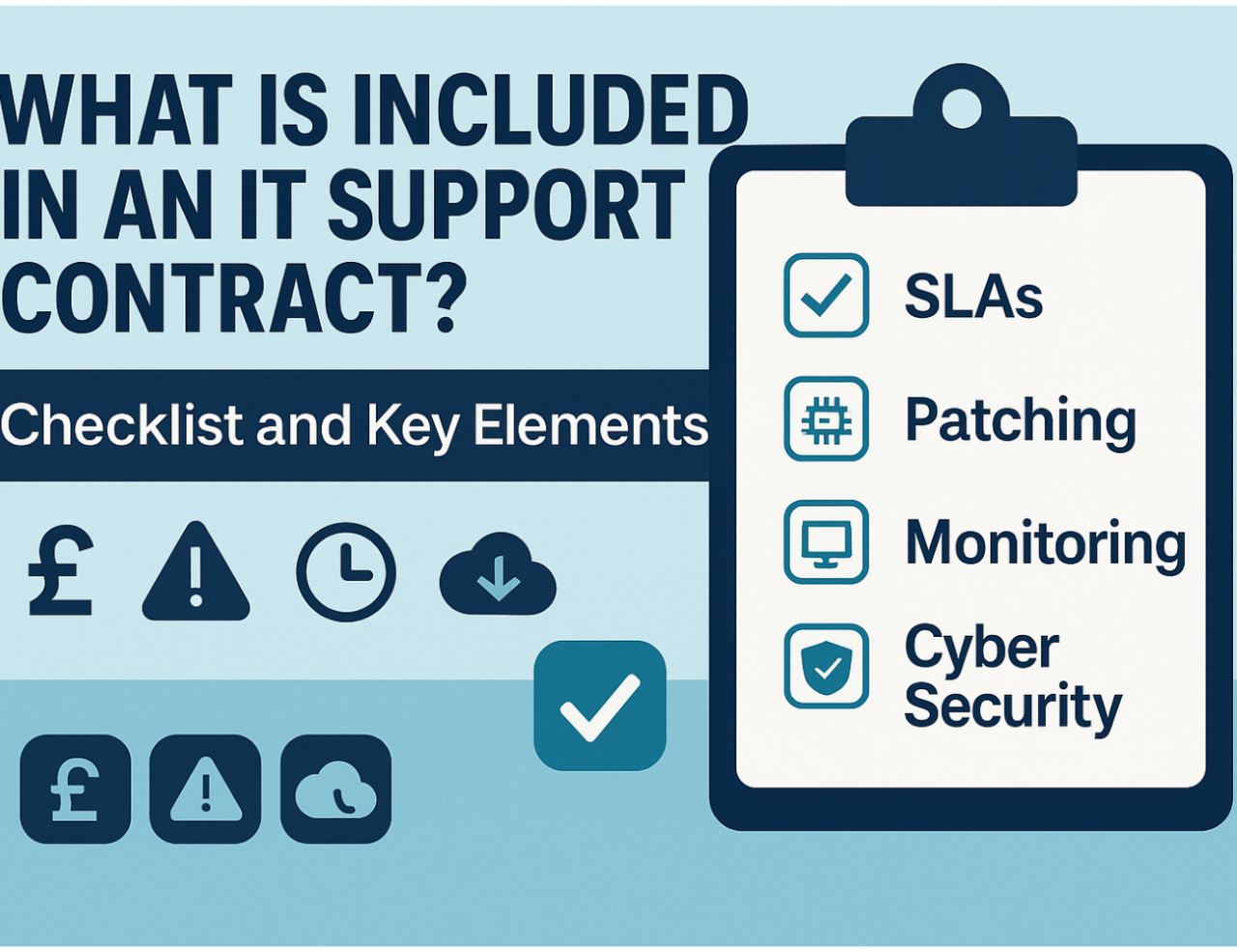
What is included in an IT support contract? An IT support contract is a formal agreement between a business and an external IT provider that outlines the scope of technical services, performance standards, and cost structures. Generally, it covers helpdesk support, proactive monitoring, patch management, cyber security, and disaster recovery.
In exchange for a predictable monthly fee, your service provider acts as an extension of your team, delivering the technical expertise needed to keep critical systems running, resolve technical issues, and protect against data loss. If you want a broader understanding of how this works in practice, see our guide on what IT support includes.
Deep Explanation: The Key Elements of an IT Support Contract
A good contract leaves no room for ambiguity. It must use plain language to define exactly how your managed IT support will be delivered. Here is a deep dive into the key elements you need to review.
Scope of IT Services and Managed IT Support
The scope of services clause defines exactly what services the IT support services provider will deliver. You must know exactly what hardware and software licences are covered.
In-Scope Devices and Software: The contract should include a precise list of covered assets such as hardware, endpoints, cloud systems, and specific software applications.
Out-of-Scope Items: A clear list of exclusions in an IT support contract prevents disputes and unexpected out-of-scope charges. This might include bespoke legacy software or personal devices not owned by the company.
Locations Covered: Specify which physical office locations and remote support environments are covered by the support contract.
Annual Updates: Your IT infrastructure will change as your business grows. The scope of services should be updated annually to reflect new devices and retired equipment.
Helpdesk Support and SLAs
Service Level Agreements (SLAs) define what response and resolution times you can expect from your IT support provider. These service levels are the backbone of any support agreement.
Ticket Priority Levels: Clear definitions for priority levels in incident management ensure providers respond appropriately to critical issues.
Target Response and Resolution Times: Response times define how quickly the provider acknowledges a support request, typically tiered by severity.
Escalation Processes: Describe the escalation path for unresolved tickets so that complex technical issues are passed to senior engineers swiftly.
For a deeper look at how support providers structure these services, you can also explore
how IT support providers operate.
Patch Management, Monitoring, and Proactive Maintenance
Proactive IT support through contracts allows for continuous monitoring and maintenance, which helps prevent downtime and operational disruptions.
Monitoring Coverage: Define monitoring coverage for servers and endpoints.
Patch Deployment: Software updates and security updates are vital. The contract should schedule regular patch deployment windows.
Automated Alerting: Require automated alerting for critical events.
This proactive approach is a core part of modern IT security strategies and ensures your systems remain stable and protected.
Operational and Legal Elements
Your IT support contract must govern the day-to-day delivery of services while offering legal protection for both parties.
- Routine Maintenance
- Backup Responsibilities
- On-Site Call-Out Conditions
- Limitation of Liability
- Insurance Coverage
- Dispute Resolution
If you are reviewing or switching providers, it’s also worth reading how to change IT provider safely.
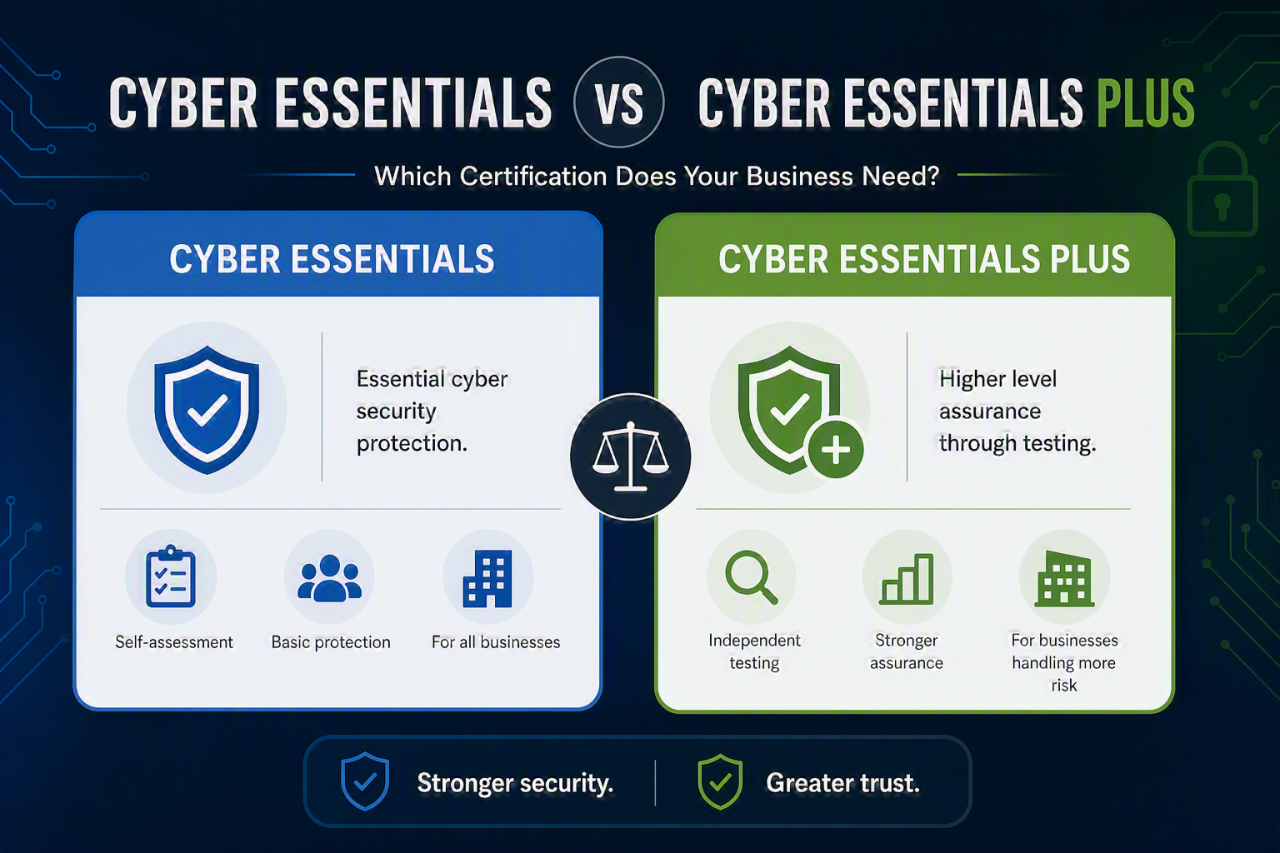
Cyber Security and Data Protection
Having an IT support contract enhances cybersecurity by implementing best practices and protecting sensitive information from cyber threats.
Managed IT support services place a strong emphasis on cybersecurity. They deploy robust security measures designed to protect your IT environment from evolving cyber attacks. For practical UK-focused guidance, the NCSC Small Business Cyber Security Guide</a> provides clear, government-backed advice.
Cyber Security Tools: Managed antivirus, anti-phishing, and ransomware protection.
Incident Response: Defined roles during cyber incidents.
Data Processing Agreement: GDPR-compliant handling of data.
Security Reporting: Regular reviews of vulnerabilities and compliance.
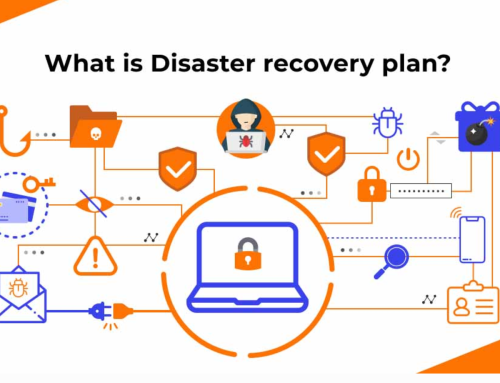
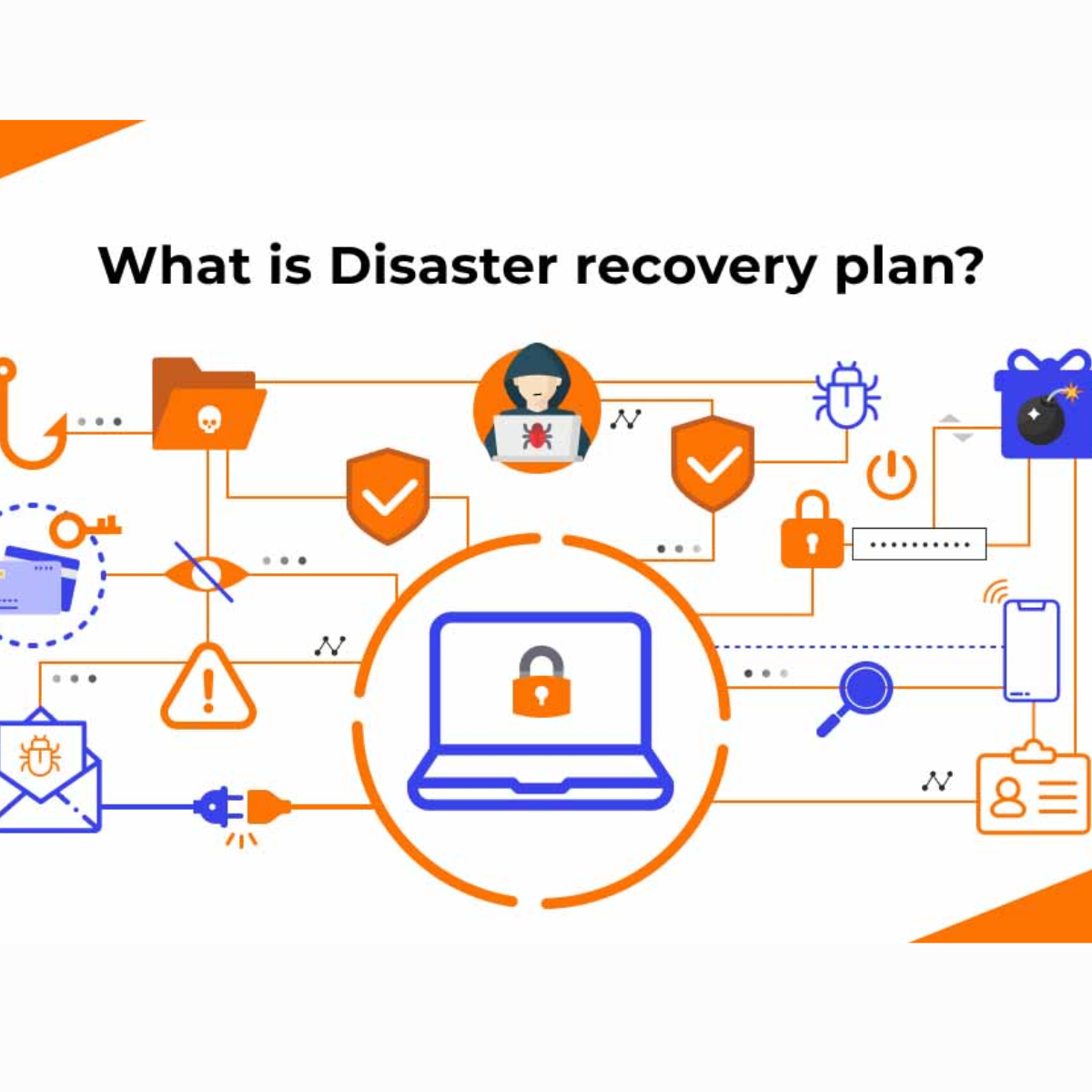
Disaster Recovery Planning and Business Continuity
Backup and disaster recovery planning are essential components of an IT support contract.
Backup Scope and Frequency
RTO and RPO Targets
Restore Testing
Business Continuity Planning
You can explore this further in our guide to backup and disaster recovery.
Intellectual Property, Access, and Documentation
When a contract ends, you must retain control of your business data and infrastructure.
- Ownership of Deliverables
- Documentation Handover
- Credential Handover
Pricing, Term, Termination, and Clear Process for Changes
Financial clarity is a hallmark of a good contract.
- Pricing Structure
- Price Review Mechanism
- Contract Notice and Termination
- Change Control Process
If you are unsure what a fair agreement looks like, reviewing what makes a good IT provider can help benchmark expectations.
Vendor Management, Third-Party Services, and On-Site Support
Your IT provider should act as your primary technical liaison.
- Vendor Responsibility
- Flow-Down SLAs
- On-Site Response
Compliance, Reporting, and Review
Regular reviews ensure your IT continues to support your business goals.
- Compliance with Regulations
- Account Review Meetings
- Metrics Reporting Cadence
Comparisons: Service vs. Support Agreements and Scope
Understanding the terminology ensures you purchase the correct level of support.
If you’re weighing options, our article on outsourcing IT support helps explain the benefits in more detail.
Final Checklist Before Signing
- Verify Scope Matches Operational Needs
- Confirm SLAs Meet Business Priorities
- Confirm Data Protection and Disaster Recovery Coverage
- Review Termination and Notice Periods
Summary and Recommended Next Steps
A robust IT support contract provides more than just technical help; it provides business continuity and peace of mind.
By ensuring your contract includes clear service level agreements, comprehensive disaster recovery planning, proactive patch management, and strict cyber security protocols, you protect your organisation from data loss and costly downtime.
If your current support agreement lacks these key elements, or if you are looking to partner with a reliable service provider who values transparency, it is time to act.
Ready to secure an IT support contract that truly protects your business?
Contact ESP Projects today for a comprehensive IT audit. Our technical experts will review your existing IT services and design a tailored, plain-language support agreement that aligns perfectly with your business goals.